

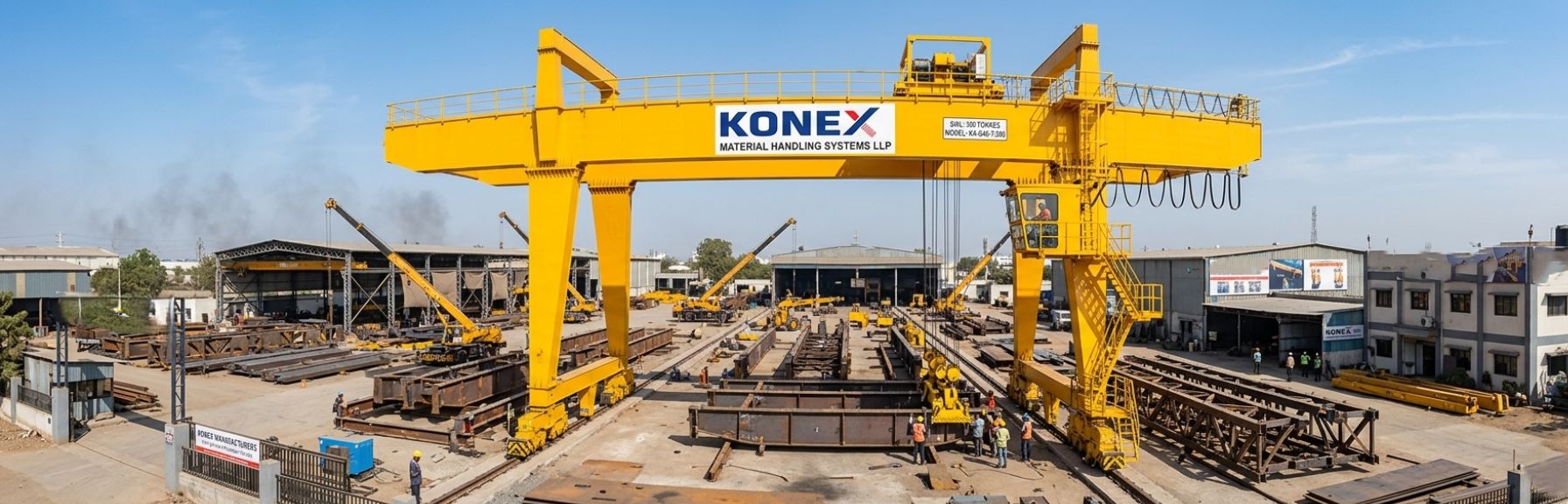
Why is Your Gantry Crane Vibrating? Common Problems and Quick Fixes
Imagine this: You are in the middle of a critical production shift. Operations are running smoothly until your facility’s primary material handling equipment starts vibrating violently. A shuddering gantry crane isn’t just a noisy nuisance; it is a serious red flag.
For factory owners, warehouse managers, and procurement heads, unexpected equipment behavior translates directly into unplanned downtime, increased maintenance costs, and severe safety hazards. If your gantry crane is vibrating during travel or lifting, it is trying to tell you something is wrong.
In this comprehensive guide, we will break down the technical reasons behind gantry crane vibration, provide quick troubleshooting fixes, and explain how partnering with a reliable gantry crane manufacturer can protect your bottom line and maximize operational ROI.
The High Cost of Ignoring Gantry Crane Vibration
In the heavy machinery and material handling industry, smooth operation equals profitability. When a gantry crane vibrates excessively, the impact ripples across your entire facility:
- Safety Hazards: Vibrations can cause suspended loads to sway unpredictably, endangering operators and floor workers.
- Structural Damage: Continuous shuddering accelerates metal fatigue, loosening high-strength structural bolts and damaging the crane’s main girders.
- Premature Component Wear: Bearings, gearboxes, and motors take the brunt of vibration, leading to complete mechanical failure if left unchecked.
- Production Downtime: Every hour your crane is offline for emergency repairs, your facility bleeds money in lost productivity.
Addressing the root cause early is the key to maintaining a high-performing, safe work environment.
Top Causes of Gantry Crane Vibration
Understanding the mechanics behind the shuddering is the first step toward a solution. Here are the most common culprits:
1. Runway Track and Rail Misalignment
A gantry crane operates on precision. If the runway rails or ground tracks are out of alignment, the crane will bind and shudder as it travels.
- The Issue: Uneven settling of the factory floor, loose rail clips, or thermal expansion can cause the span between the tracks to widen or narrow.
- The Result: The wheels scrape against the rails, causing “crabbing” (diagonal movement) and heavy vibrations throughout the entire crane structure.
2. Worn-Out Wheels and Bearings
The travel mechanism of a crane bears an immense load. Over time, the constant friction takes a toll.
- The Issue: Wheel flanges can wear down unevenly, or the wheel tread may develop flat spots due to sudden braking or skidding. Similarly, dry or damaged wheel bearings create massive rolling resistance.
- The Result: A rhythmic, bumping vibration that speeds up as the crane moves faster along the runway.
3. Electrical Control and VFD Issues
Not all vibrations are mechanical. Sometimes, the brain of the crane is sending the wrong signals.
- The Issue: Modern cranes use Variable Frequency Drives (VFDs) to ensure smooth acceleration and deceleration. If the VFD parameters are configured incorrectly, or if there are electrical power fluctuations, the motors may receive erratic current.
- The Result: The motors “stutter” or jerk during startup and stopping, vibrating the entire bridge and hoist.
4. Loose Structural Connections
A heavy duty gantry crane is subjected to dynamic loading—constantly picking up and putting down massive weights.
- The Issue: Over months of heavy use, the high-tensile bolts connecting the main girder to the end carriages (or legs) can slowly loosen.
- The Result: The structural rigidity of the crane is compromised, leading to a wobbling or vibrating sensation, particularly when lifting a load.
5. Overloading and Unbalanced Lifting
Every crane has a strictly defined Safe Working Load (SWL).
- The Issue: Lifting loads that exceed the crane’s capacity, or lifting loads off-center (side-pulling), puts unequal stress on the hoist ropes, drum, and motors.
- The Result: Violent vibrations in the wire rope and hoist machinery, which transfer directly into the bridge girder.
Quick Fixes: How to Troubleshoot Gantry Crane Vibration
If your operators report vibration, halt operations immediately and run through this technical checklist. While major repairs require professional technicians, these quick checks can identify the problem fast:
- Check the Rails: Do a visual inspection of the runway tracks. Look for metal shavings near the rails (a clear sign of wheel flange wear) and ensure all rail clips are tightly secured.
- Inspect the Wheels: Elevate the end carriages slightly (using proper safety jacks) and manually rotate the wheels. Listen for grinding noises from the bearings and look for flat spots on the steel wheels.
- Tighten All Bolts: Schedule a maintenance shift to go over the crane with a torque wrench. Ensure all structural bolts connecting the girders, legs, and end carriages meet the manufacturer’s torque specifications.
- Lubricate Moving Parts: Lack of lubrication is a silent killer of industrial machinery. Ensure gearboxes are filled to the correct oil level and that all bearings and wire ropes are properly greased.
- Reset Motor Drives: Have your electrical engineer check the VFD settings. Adjusting the acceleration and deceleration ramps can often instantly cure motor-induced shuddering.
Pro Tip: If you have gone through this checklist and the crane is still vibrating, it is time to call in the experts. Continuing to run compromised equipment will only lead to catastrophic failure.
When to Repair vs. When to Upgrade to a Heavy Duty Gantry Crane
Maintenance can only take aging equipment so far. If you are constantly pouring money into replacing wheels, fixing tracks, and battling downtime, your current crane is negatively impacting your ROI.
As facilities scale and production demands increase, older cranes simply cannot keep up. Upgrading to a modern, custom-engineered heavy duty gantry crane offers significant advantages:
- Advanced Anti-Sway Technology: Eliminates load swinging and operational vibrations.
- Higher Duty Cycles: Built to withstand 24/7 rigorous industrial use without fatigue.
- Precision Engineering: Perfectly aligned end carriages and modular designs that guarantee smooth, silent travel.
- Lower Lifetime Cost: Reduced maintenance requirements mean higher profitability for your plant.
Partner with Konex Material Handling System LLP
When it comes to safeguarding your facility’s productivity, you cannot afford to compromise on quality. You need a partner who understands the rigorous demands of industrial material handling.
At Konex Material Handling System LLP, we are recognized as a premier gantry crane manufacturer. With years of engineering expertise and a commitment to manufacturing excellence, we design, fabricate, and install lifting solutions that are built to last.
Why Choose Konex?
- Industry Leaders in India: As one of the top gantry crane manufacturers in India, we understand the unique environmental and operational challenges faced by domestic industries.
- Global Export Capability: We don’t just serve gantry crane India needs; our world-class, ISO-compliant material handling systems are trusted by factories and warehouses globally. We proudly export our robust equipment to international markets.
- Custom Engineered Solutions: From single-girder semi-gantry cranes to massive double-girder heavy-duty systems, we custom-build every crane to match your specific span, capacity, and facility requirements.
- Unmatched Support: We believe in end-to-end service. From precision installation that prevents track misalignment to ongoing maintenance support, Konex ensures your operations never skip a beat.
Stop the Vibration, Start the Productivity
Do not let a failing crane dictate your production schedule. Whether you need expert troubleshooting for an existing setup or are looking to invest in a state-of-the-art heavy duty gantry crane, Konex Material Handling System LLP is your trusted partner.
Ready to upgrade your material handling capabilities?
Contact us : info@konex.co.in , +91 98240 11164 | +91 90999 02956
FAQs
Gantry crane vibration usually occurs due to rail misalignment, worn-out wheels or bearings, loose structural bolts, electrical issues in VFD systems, or overloading. Identifying the root cause early prevents major mechanical failure and downtime.
Yes, excessive gantry crane vibration is a serious safety hazard. It can cause load sway, structural damage, component failure, and increase the risk of workplace accidents, making immediate inspection essential.
Start with basic troubleshooting: inspect runway rails, check wheel conditions, tighten structural bolts, lubricate moving parts, and review VFD settings. If the issue persists, consult a professional gantry crane manufacturer.
Worn wheel flanges, flat spots, or damaged bearings create uneven movement along the track. This leads to rhythmic vibrations that intensify with crane speed.
Yes, rail misalignment is one of the most common causes. When tracks are uneven or improperly spaced, the crane experiences binding and “crabbing,” resulting in heavy vibrations.
Incorrect Variable Frequency Drive (VFD) settings or unstable power supply can cause motors to jerk during startup and stopping, leading to noticeable crane vibration.
You should immediately stop operations if vibration is severe, increasing rapidly, or affecting load stability. Continuing operation can result in catastrophic equipment failure and safety risks.
Yes, exceeding the Safe Working Load (SWL) or lifting unbalanced loads creates uneven stress on crane components, leading to strong vibrations and potential damage.
Routine inspections should be conducted daily (visual checks), monthly (mechanical checks), and annually (detailed professional audits) to detect early signs of wear and prevent vibration issues.
If vibration issues are frequent and maintenance costs are rising, upgrading to a modern heavy-duty gantry crane is more cost-effective. New cranes offer better stability, advanced anti-sway technology, and improved efficiency.